Prep
How to Protect Furniture & TVs During a Move
Furniture and TVs account for a large share of the damage claims filed after DIY and even some professional moves, and most of it is preventable with the right materials and technique. Scratches, cracked veneer, and dead pixels rarely happen because of one dramatic drop, they happen from small, avoidable mistakes: wrapping in the wrong material, stacking incorrectly, or transporting a flat-screen the wrong way.
Here's what actually protects your furniture and electronics between your old home and your new one.
Why TVs Are More Fragile Than They Look
Modern flat-screen TVs are thinner and lighter than the bulky sets of a decade ago, but that thinness makes the panel itself more vulnerable to pressure and flexing. A TV that looks fine after a move can develop a cracked panel or dead pixel zones days later from stress that didn't show immediately, especially if it was laid flat or had something set on top of it during transport.
Temperature matters too. Leaving a TV in a hot moving truck or a car trunk during a South Florida summer, then powering it on immediately, can stress internal components. Letting electronics acclimate to room temperature before turning them on is a small step that prevents real damage.
Protecting TVs in Transit
A few habits make the biggest difference in TV protection.
- Use the original box if you still have it, or a TV-specific moving box with corner foam inserts
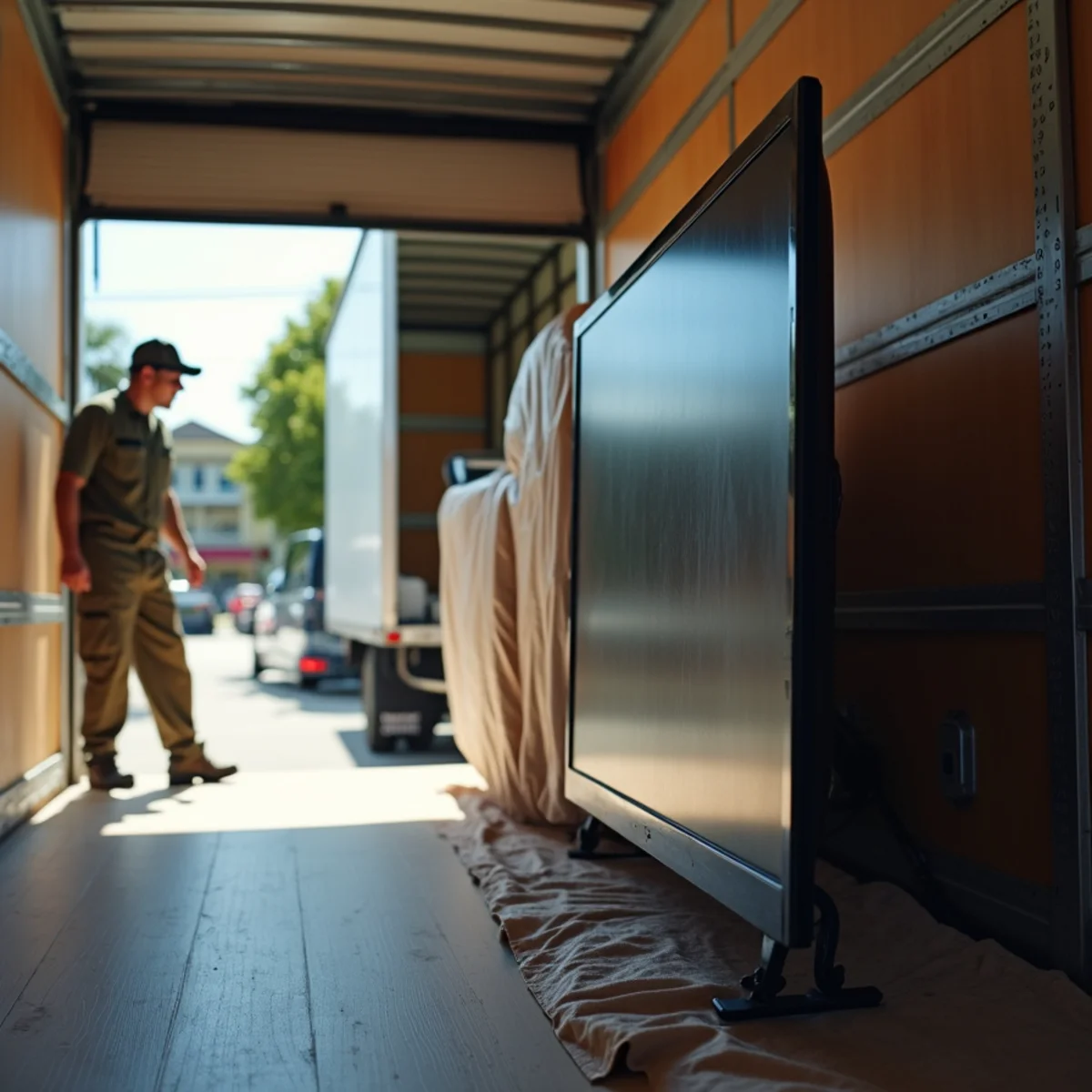
- Always transport TVs upright, never flat, and never stacked under other items
- Wrap the screen in a soft moving blanket before boxing, even inside a hard case
- Avoid leaning a TV against a wall unsecured during loading, a common cause of tip-over damage
If you're mounting the TV at your new home rather than setting it on furniture, our TV mounting service handles the wall mount, cable management, and final placement so the TV only gets handled once on the other end.
Wrapping and Padding Furniture the Right Way
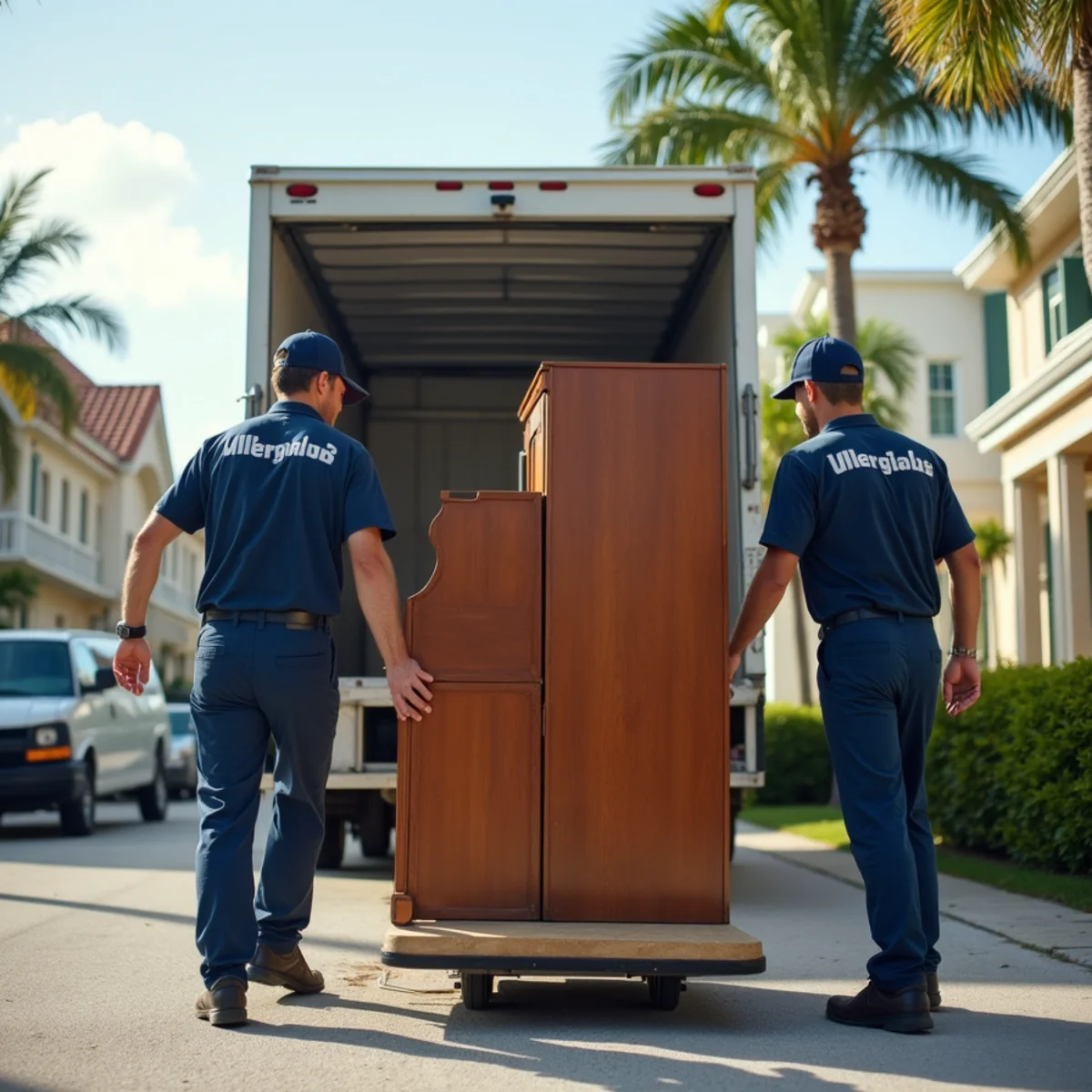
Furniture damage usually comes from friction and impact during loading, not from the drive itself.
- Use moving blankets and stretch wrap together: blankets for cushioning, stretch wrap to hold the padding in place without residue
- Protect corners and legs separately with foam corner guards, since edges take the most impact
- Avoid plastic wrap directly on wood finishes in humid conditions, since trapped moisture can cause clouding
- Disassemble drawers or remove loose glass shelving before wrapping to prevent shifting weight
Wrapping in the correct order, padding first, then securing, protects finishes without trapping the humidity that's common during a South Florida move.
Disassembly: When It Helps and When It Hurts
Taking apart bed frames, large sectionals, and dining tables before a move reduces bulk, prevents joints from stressing during transport, and often makes tight hallways and doorways manageable that would otherwise require tilting furniture at odd angles. But disassembly only helps if it's done correctly and the hardware is kept organized, loose screws in a pocket are how "quick fixes" turn into hour-long reassembly headaches.
Our furniture assembly team handles both ends of this: taking furniture apart correctly before the move and rebuilding it at the destination, which is a service we provide often for households in Weston, where larger homes mean larger furniture that doesn't always survive a doorway intact.
Protecting Mirrors, Glass Tabletops, and Mattresses
Furniture and TVs get most of the attention, but mirrors, glass, and mattresses cause their own share of damage claims. Glass can shatter without any obvious mishandling if it's packed flat against a hard surface instead of upright and cushioned, and mattresses pick up dirt and moisture faster than most people expect during a move.
- Transport mirrors and glass tabletops upright in specialized mirror or picture boxes, never flat under other items
- Mark glass items clearly on all sides so anyone handling the box knows to keep it vertical
- Use a mattress bag to protect against moisture and dirt, even for a short move, and never fold a mattress in a way it wasn't designed to bend
- Keep glass shelving separated from its frame with cardboard between each pane when multiple pieces travel together
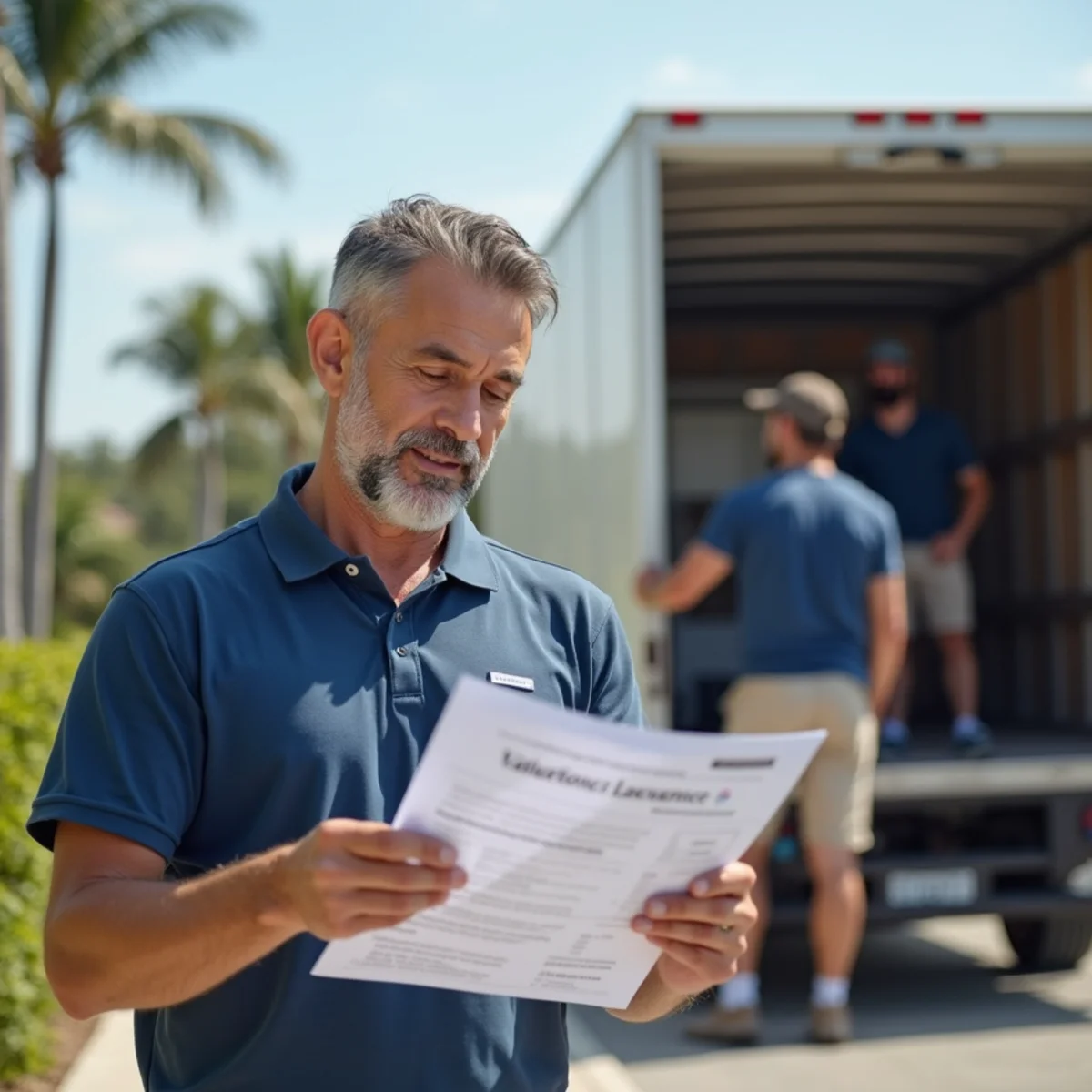
It's also worth knowing what coverage actually applies if something does break. The federal minimum, released-value protection required under FMCSA rules, only covers about $0.60 per pound regardless of an item's actual worth, so a cracked 50-pound glass tabletop might net a claim of $30 under that baseline coverage. Asking about full-value protection options before moving day matters most for exactly these high-value, easily damaged pieces.
These smaller items rarely get planned for the way a couch or a TV does, which is exactly why they end up damaged more often than they should.
Move Your Furniture and Electronics Without the Guesswork
Let's Go Moving LLC is licensed and insured, bilingual, and backed by 185 five-star Google reviews from families across Broward, Miami-Dade, Palm Beach, and the Treasure Coast. We treat furniture and TV protection as standard practice on every move, not an upsell.
Call (213) 691-0609 for a free written estimate, and ask us about TV mounting or furniture assembly at your new home so everything arrives, and gets set up, the right way.
Frequently Asked Questions
No. TVs should always travel upright to avoid pressure on the panel, which can cause damage that doesn't show up until days after the move.
It depends on the piece. Beds, large sectionals, and dining tables often move more safely disassembled, but it's worth confirming with your moving crew, since improper disassembly can cause more issues than it solves.
Yes, in humid conditions plastic wrap applied directly to a wood finish can trap moisture and cause clouding or damage to the finish. Pad first with a moving blanket, then secure with stretch wrap.
Yes, our TV mounting service handles wall mounting and cable management at your new address so the television is only unboxed and handled once.
Planning a Move in South Florida?
Get a free, honest estimate from a licensed, insured, bilingual local mover.
Mon–Fri 7am–7pm · Sat 8am–6pm · Sun 8am–5pm · Same-day & after-hours moves available by request