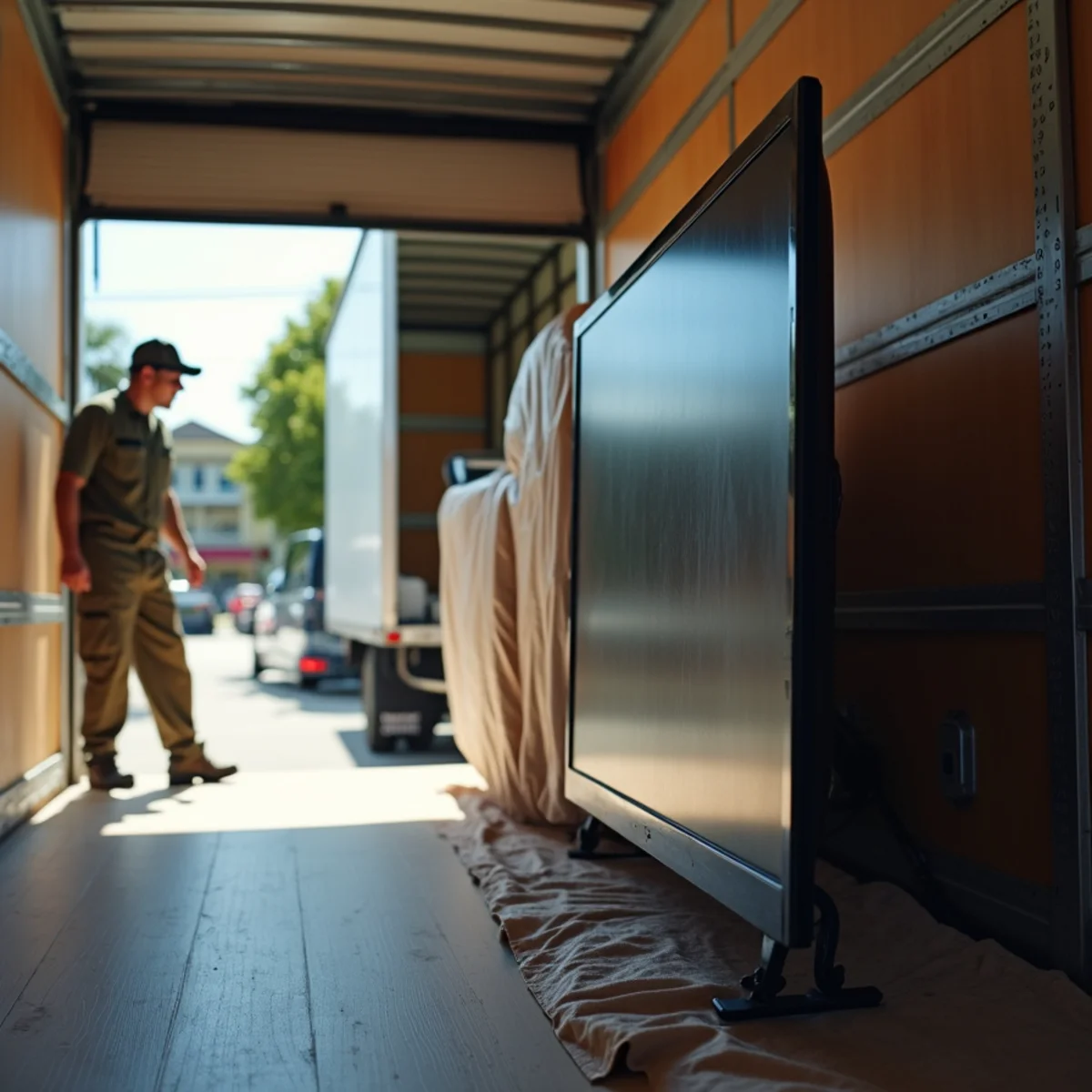
Problem-Solving
Moving a Piano or Safe? Why You Shouldn't DIY It
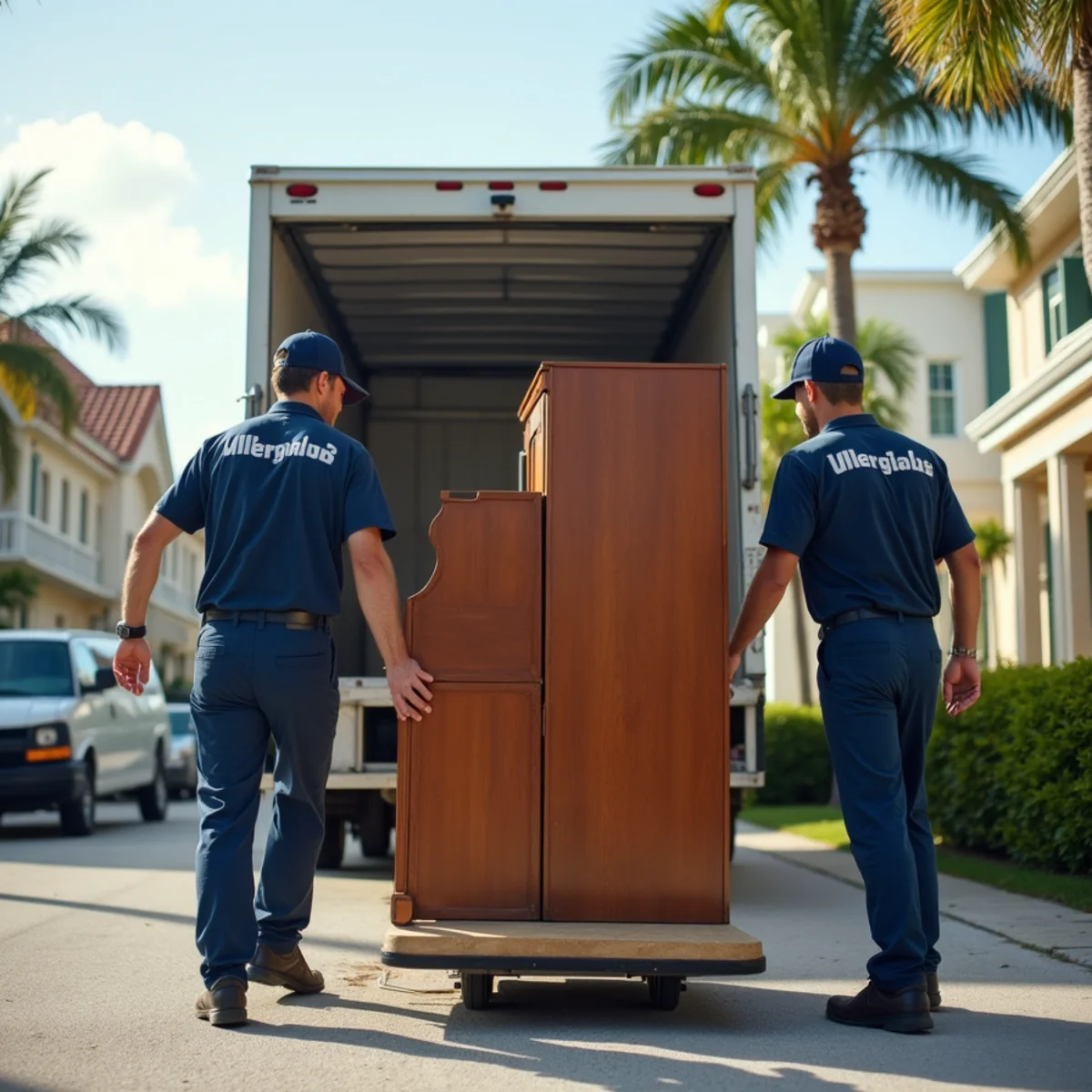
Ask around and you'll find no shortage of piano moving horror stories: an upright dropped down the last three stairs, a gouge across hardwood floors, a herniated disc that put someone in physical therapy for months. Pianos and safes are the two items movers dread most, and for good reason. A spinet piano weighs 300 to 400 pounds, a baby grand can top 700 pounds, and a home safe can weigh anywhere from 200 to over 1,000 pounds, all packed into a footprint smaller than a refrigerator.
The temptation to save money by recruiting a few friends and a furniture dolly is understandable, but the math rarely works out. A dropped piano can cost thousands in repairs or a full replacement, a dropped safe can crack flooring, and either one can seriously injure the people carrying it. If you're researching how to move a piano safely, the honest answer is that the safest version of "DIY" is hiring a trained crew.
The Physics Working Against You
Unlike a couch or a dresser, a piano's weight isn't evenly distributed. The cast iron plate and strings sit toward the back and top, which makes the whole instrument top-heavy and prone to tipping the moment it's tilted onto a dolly incorrectly. Safes have the opposite problem: nearly all their weight sits low and concentrated, so a hand truck rated for standard furniture will bend, and a strap that would hold a couch can slip completely under a load that dense.
Both items also have internal components that are easy to damage from ordinary jostling. A piano's soundboard, hammers, and tuning pins can shift out of alignment from a hard bump, throwing off the tuning or cracking the finish. A safe's locking mechanism can be knocked out of calibration if it's tipped past a certain angle. None of this shows up until weeks later, which is exactly why "it seemed fine when we moved it" is such a common regret.
What Actually Goes Wrong When Movers Skip the Right Gear
Most piano-move injuries and damage happen in the same few ways: someone loses their grip on a stairwell, a moving blanket slips off mid-carry, or the piece is tilted too far and the center of gravity does the rest. Renting a furniture dolly and grabbing a few day laborers off a classifieds site might land near the roughly $79.83-per-hour labor-only benchmark South Florida households typically budget for extra muscle, but day-labor crews are rarely trained on instrument-specific handling, and the liability if something goes wrong usually falls on you.
We've been called in more than once to finish a move after a DIY attempt stalled halfway down a staircase, piano wedged, hosts panicking, and a hallway now blocking every other resident in the building. It's a stressful, expensive way to learn that pianos and safes need a different plan than the rest of the house.
The Equipment and Technique a Trained Crew Actually Uses
Professional piano moving relies on purpose-built gear: a piano board (or skid board) that the instrument is safely strapped to before it's ever lifted, four-wheel piano dollies for smooth rolling on flat ground, and stair-climbing straps or a stair-climbing dolly for level changes. Legs, lyres, and pedals are removed or braced first on grand pianos, and everything is wrapped in thick quilted pads, not bedsheets, before it goes anywhere near a doorway.
For safes, crews use appliance dollies rated well above the unit's weight, plus ramps and, for anything over a few hundred pounds, a second team member dedicated purely to spotting and stabilizing. Our piano moving specialists handle both categories the same way: measure the doorways and stairwells first, plan the route before anything is lifted, and only then start moving. That planning step is the difference between a controlled move and an improvised one.
Navigating Stairs, Doorways, and Tight Florida Floor Plans
South Florida adds its own wrinkles. Many condo buildings and townhomes have narrow stairwells, tight 90-degree turns, and tile floors that get slick with humidity, all of which make an already awkward object harder to control. In neighborhoods like Boca Raton, where larger homes often have a baby grand in a formal living room and a heavy safe tucked in a closet or office, we regularly plan piano and safe moves around spiral staircases, low archways, and elevator weight limits in gated communities.
If your move involves a piano or safe alongside a full household of furniture, it's worth pairing that specialty service with general loading and unloading help so the rest of the day's heavy lifting is covered by the same trained crew instead of a mismatched combination of friends and a rental truck.
A Pre-Move Checklist for Piano and Safe Owners
A little prep work before the crew arrives makes the whole job faster and safer, especially in a home with stairs or tight turns. Walking through this list a day or two ahead means the crew can start moving instead of measuring the moment they show up.
- Measure the piano's or safe's width, depth, and height, then measure every doorway, hallway turn, and stairwell it needs to pass through
- Note the destination room's flooring, hardwood and tile scratch more easily than carpet, so ask about floor runners in advance
- Clear a straight path free of rugs, loose cords, and pets on moving day itself
- Confirm elevator reservations and weight limits in advance if you live in a condo or apartment building
- Ask your mover for written confirmation of the specialty equipment they'll bring (piano board, stair-climbing dolly, rated appliance dolly) before the day arrives
None of these steps take long, but skipping them is exactly how a straightforward move turns into a piano wedged on a landing while everyone tries to improvise a plan on the spot.
Trust Let's Go Moving With Your Piano or Safe
Let's Go Moving LLC is a licensed and insured, bilingual (English/Spanish) moving company based in North Lauderdale with 185 five-star Google reviews from families across Broward, Miami-Dade, Palm Beach, and the Treasure Coast. We treat piano and safe moves as their own specialty, not an afterthought squeezed into a general move, and we always recommend a free written estimate so you know exactly how your instrument or safe will be handled before moving day.
If you're planning a move that includes a piano, safe, or any other item too heavy or delicate to trust to guesswork, call us at (213) 691-0609. We'll walk the route with you, quote it honestly, and move it the right way the first time.
Frequently Asked Questions
It's not recommended. Even a smaller upright weighs 300-400 pounds and is top-heavy, so two people without proper straps, a piano dolly, and a planned route face a real risk of dropping it or getting hurt on stairs or tight turns.
Pricing depends on the piano's size, stairs, and distance, but it's typically quoted as part of an hourly labor rate or a flat specialty fee. Ask for a free written estimate so you can compare the full cost against renting equipment and recruiting help yourself.
Yes. Safes get the same specialty treatment as pianos, including rated dollies, ramps, and a planned route, since their weight is concentrated in a small footprint that standard moving equipment isn't built to handle.
Clear the path from the piano to the truck, measure doorways if you're unsure they'll fit, and let us know in advance about any stairs, elevators, or tight turns so we can bring the right equipment.
Planning a Move in South Florida?
Get a free, honest estimate from a licensed, insured, bilingual local mover.
Mon–Fri 7am–7pm · Sat 8am–6pm · Sun 8am–5pm · Same-day & after-hours moves available by request