Local
Snowbird Moving: Coordinating Your Seasonal FL Move
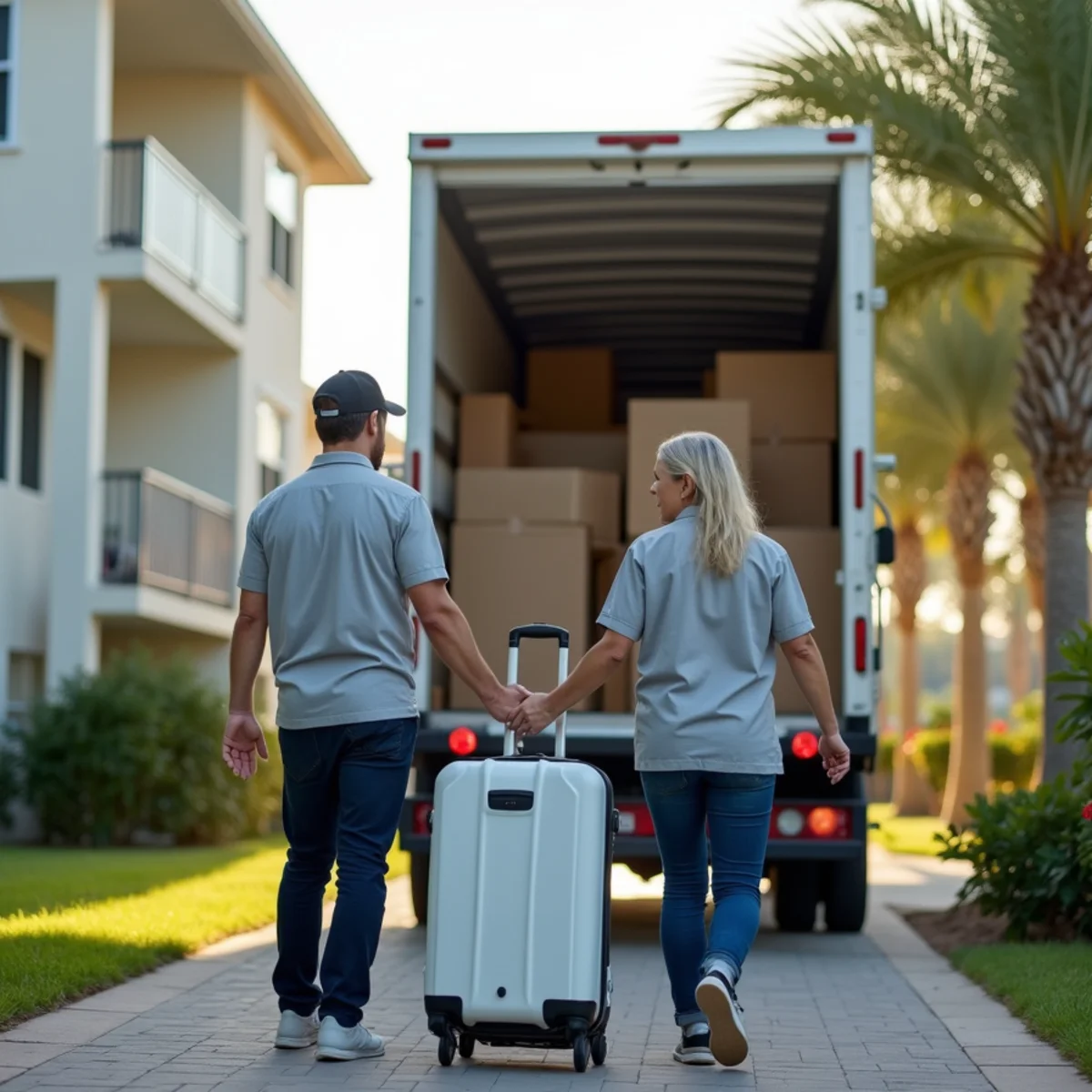
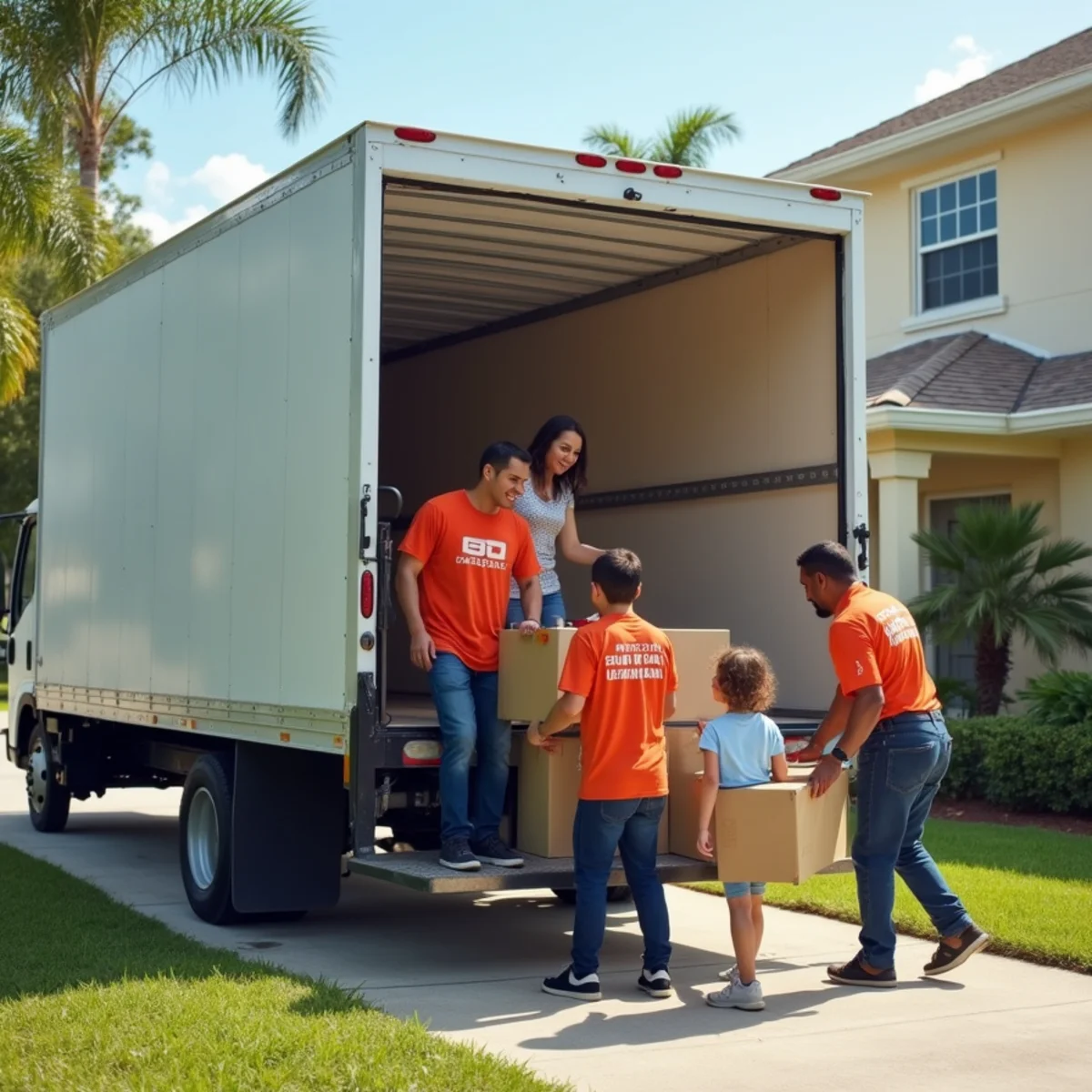
Snowbirds face a moving challenge most people never think about: doing it twice a year, on a schedule set by the calendar rather than convenience. Whether you're heading south for the first winter or you've made the trip for a decade, coordinating a seasonal move between a northern home and a South Florida property takes more planning than a standard one-time relocation.
The good news is that once you have a system, each seasonal move gets easier. This guide covers how to time it, what to bring each way, and how to line up reliable help on both ends.
Timing Your Move Around Peak Snowbird Season
Late October through November is the busiest stretch for southbound snowbird moves, and March through April sees the return trip north. Booking a moving crew during these windows means competing with a large wave of seasonal residents making the same trip, so scheduling four to six weeks ahead is worth it, especially if you have date flexibility that lets you book slightly off the peak days.
If your schedule allows it, moving mid-week rather than on a weekend, and avoiding the first and last few days of the month, tends to open up more availability and can smooth out the process considerably.
Deciding What Travels With You vs. What Stays
Most snowbirds settle into a rhythm where the Florida home stays furnished year-round and only smaller, high-value items travel each season.
- Keep in Florida year-round: bulky furniture, kitchenware, linens, and anything expensive to replace or hard to transport twice a year
- Bring each trip: prescription medications, important documents, valuables, and anything you'd regret losing in transit
- Consider a wardrobe box or vacuum-sealed bags for seasonal clothing that only gets used part of the year
- Store securely rather than transport: out-of-season decor, extra linens, and items you use in both homes but don't need immediately
Keeping a simple written inventory of what lives permanently in each home prevents the common headache of arriving to find a favorite kitchen tool or medication left behind up north.
Long-Distance Coordination for a Seasonal Home
If you're transporting furniture, appliances, or larger household goods between homes, that's a long-distance move even if you've done the drive a dozen times before, and it deserves the same planning as a first-time relocation. Our long-distance moving service handles the interstate logistics, from packing fragile items for the road to coordinating delivery windows that match your travel dates.
Ask any interstate mover for proof of their FMCSA registration (USDOT and MC numbers), since interstate household goods carriers are required to register with the FMCSA, while Florida-only movers register with FDACS. A legitimate company will provide this without hesitation.
Local Moving Once You're Settled in South Florida
Many snowbirds also need help once they've already arrived, whether that's moving into a new unit within the same community, relocating from a rental to a purchased condo, or simply needing furniture rearranged and reassembled after a long drive down. Our local moving crews handle these shorter, faster jobs throughout the season.
We regularly serve seasonal residents in Deerfield Beach, a popular snowbird destination thanks to its beachfront condos and easy access to both Broward and Palm Beach County amenities, and we know the buildings, elevator reservation systems, and HOA move-in rules that come with condo living there.
Protecting Your Florida Home While You're Away
Snowbirds who split time between two homes face a security and maintenance question the rest of the year doesn't have to answer: what happens to the Florida property for the five or six months nobody's living in it. Shutting the AC off entirely to save money is a common mistake, in Florida humidity, a closed-up, unconditioned house can grow mold within days.
- Set the AC to run continuously at 78-80°F rather than turning it off completely, since humidity causes mold and mildew fast in a closed house
- Arrange a home watch service or a trusted neighbor to check the property monthly, especially during hurricane season (June through November)
- Unplug small appliances and consider a smart water sensor near washing machines and water heaters to catch leaks early
- Confirm your homeowner's insurance policy doesn't have a vacancy clause that reduces coverage after a set number of consecutive unoccupied days
Mail matters too when you're gone for months at a stretch. A short USPS hold works for a week or two, but for a full season, forwarding mail to your northern address or renting a P.O. box prevents an overflowing mailbox from signaling an empty house to anyone paying attention. If you're leaving a vehicle behind, a trickle charger on the battery and a nearly full gas tank, which reduces condensation buildup, keep the car ready to drive the moment you're back rather than needing a jump start and a fresh set of tires.
Taking these steps before you head north protects the investment as much as the move itself does, so you're arriving back in the fall to a home that's ready, not one that needs repairs first.
Make Your Seasonal Move Simple, Twice a Year
Let's Go Moving LLC is licensed and insured, bilingual, and rated five stars by 185 Google reviewers across Broward, Miami-Dade, Palm Beach, and the Treasure Coast. We work with snowbirds every season and understand the back-and-forth rhythm your move requires.
Whether you need help this fall heading south or you're planning next spring's trip north, call (213) 691-0609 for a free written estimate and lock in your dates before peak season fills up.
Frequently Asked Questions
Four to six weeks ahead of late October through November is ideal, since that window is the busiest for southbound seasonal moves and availability tightens closer to the date.
Most snowbirds leave bulky furniture and kitchenware in the Florida home year-round and only transport valuables, documents, and seasonal clothing each trip, which is far more cost-effective than moving full households twice a year.
If you're transporting goods across state lines between your northern and Florida homes, that's long-distance moving and requires an FMCSA-registered carrier. Once you're settled locally, a local moving crew handles shorter moves within South Florida.
Ask for their USDOT and MC numbers, which confirm FMCSA registration for interstate household goods carriers. A legitimate company will share these details readily.
Planning a Move in South Florida?
Get a free, honest estimate from a licensed, insured, bilingual local mover.
Mon–Fri 7am–7pm · Sat 8am–6pm · Sun 8am–5pm · Same-day & after-hours moves available by request